
About Kalamandir School Of Arts
A Legacy of Artistic Excellence
Introduction
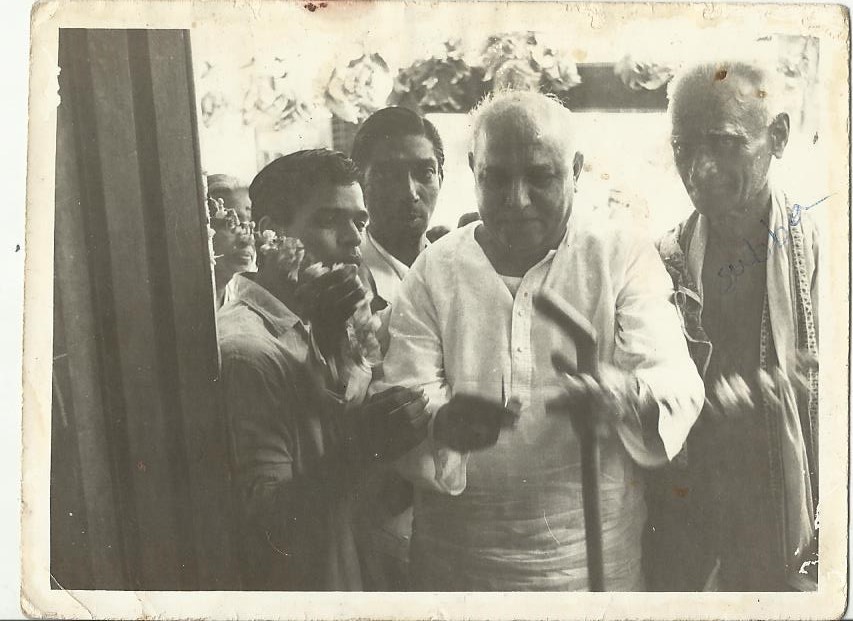
In 1919, at a time when India’s freedom movement was shaping the nation’s cultural consciousness, visionary artist A. Na. Subbarao founded Kalamandira — Karnataka’s first fine arts institution. Deeply inspired by the Swadeshi movement, Subbarao envisioned an art school that was rooted in Indian values, self-reliance, and national pride.
Encouraged by Sir M. Visvesvaraya, he chose to break away from colonial models of art education and create a space where Indian aesthetics, heritage, and creativity could flourish. Despite personal hardship, he travelled across Bengaluru on his bicycle, teaching art and laying the foundation of what would become a cultural revolution.
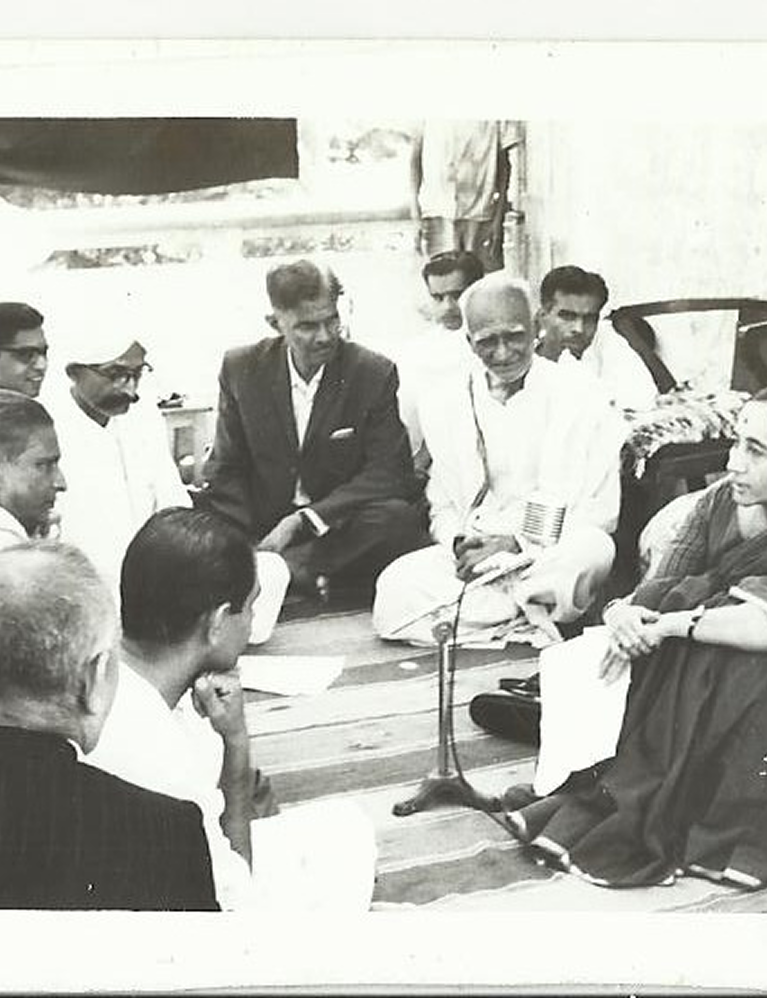
Kalamandira soon became more than a school — it was a hub for artists, poets, dramatists, and freedom fighters. Through national exhibitions, publications, theatre conferences, and workshops, it played a significant role in shaping Karnataka’s art, literature, and cultural identity.
For over a century, Kalamandira has continued to be a beacon of creativity — a place where art is not just taught, but lived.
Our Mission and Vision
Mission
To nurture artistic talent through a culturally rooted and inclusive education in the fine arts, theatre, and creative expression. Kalamandira is committed to empowering individuals to explore their creative potential while contributing to society through art.
We aim to preserve Indian artistic traditions, promote national consciousness through Swadeshi values, and provide a platform for emerging voices in the cultural landscape.
Vision
To be a leading institution of art and culture in India — a place where heritage inspires innovation, and learning fuels lifelong creativity.
We envision Kalamandira as a dynamic space where education, performance, and practice intersect to shape thoughtful, expressive, and socially aware artists for the generations to come.
Our Guiding Principles
-
-
Art with Purpose
Born during India’s freedom struggle, Kalamandira infused national values into art. Our foundation lies in art that reflects purpose, patriotism, and a deeper cultural identity. -
Resilience in Expression
Just as A. Na. Subbarao cycled across Bengaluru to spread art, we believe in resilience—pushing boundaries and creating despite constraints. -
Cultural Legacy
As Karnataka’s first fine arts school, we honour tradition while shaping the future. Our teachings draw from Indian aesthetics, Gandhian values, and timeless craftsmanship. -
Community & Collaboration
From khadi exhibitions attended by Mahatma Gandhi to multi-genre art gatherings, Kalamandira has always been a space for artists, poets, writers, and reformers to come together. -
Excellence Through Education
With landmark art exhibitions, the Kala journal, and pioneering courses in batik, photography, and theatre—our commitment to quality education remains unwavering. -
Innovation Rooted in Tradition
Whether publishing the first Kannada art book (Drugdarshana) or evolving into modern visual arts education, we blend heritage with innovation.
-
What Makes Us Unique
A Living Legacy of Artistic Independence
Founded in 1919 during the Swadeshi movement, Kalamandira is more than an art school—it is a symbol of India’s artistic self-reliance. Long before fine art education became mainstream, we pioneered a model of learning rooted in national identity, community empowerment, and cultural pride.
Craftsmanship Meets Consciousness
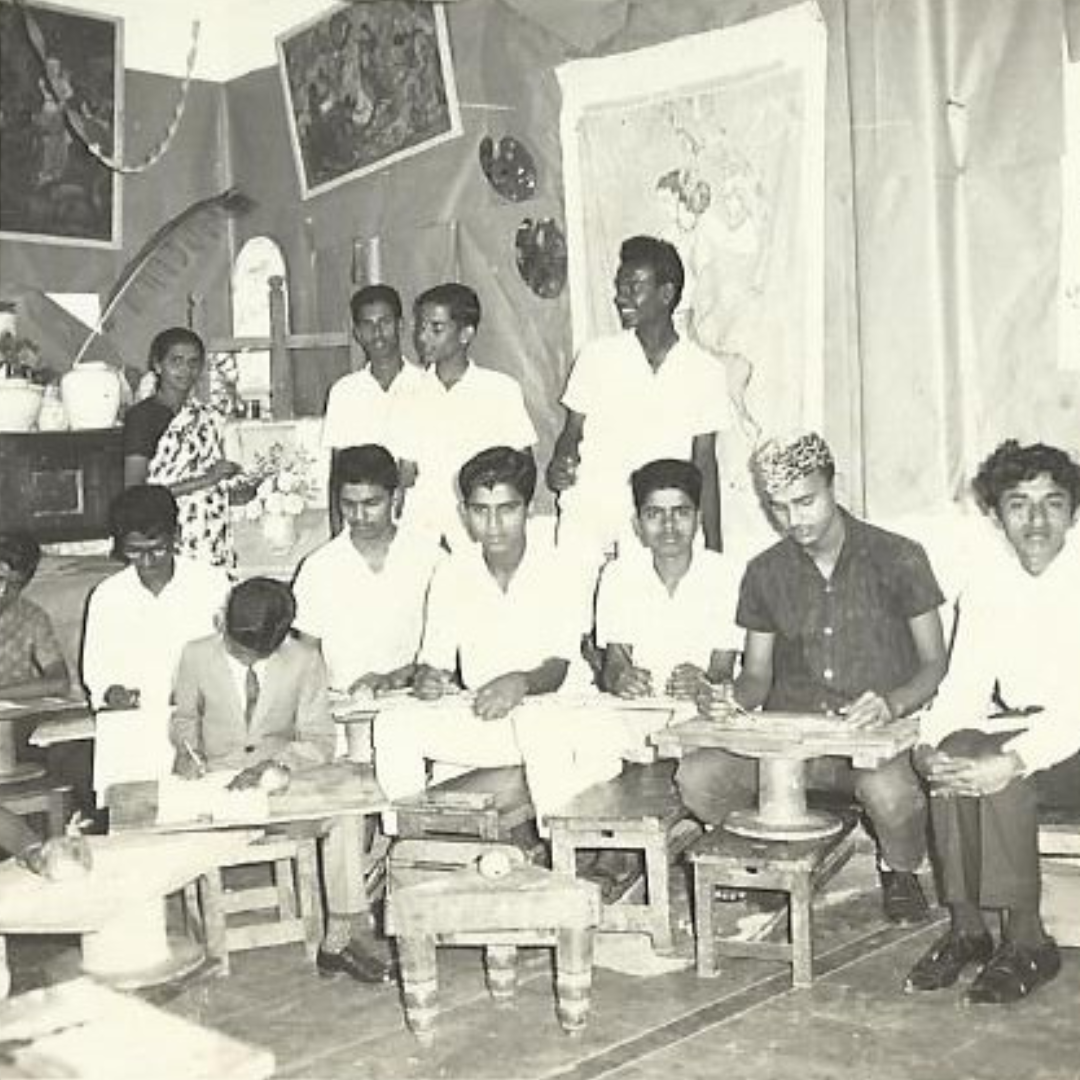
What sets Kalamandira apart is its enduring commitment to traditional Indian crafts, values, and techniques—whether in painting, sculpture, theatre, batik, or photography. Our hands-on learning culture cultivates both skill and soul.
A School Born for the Nation
While many institutions were built for employment, Kalamandira was built for empowerment. It served as a cultural and strategic hub during India’s freedom struggle and continues to be a space where art serves society.
Generations of Changemakers
From All India Art Exhibitions to art-literature journals, Kalamandira has shaped the creative minds of Karnataka for over a century. Our students leave not just with degrees, but with a deeper understanding of their heritage and purpose.
Milestones or Timeline
1919
Kalamandira Founded
Established by A. Na. Subbarao in Majestic, Bengaluru
Inspired by the Swadeshi movement and Gandhian ideals
First fine arts school in Karnataka
1921, 1927, 1929
All India Art Exhibitions
Hosted India’s earliest large-scale art exhibitions
Showcased works of national icons like Nandalal Bose
Earned support from Dewans and visiting royalty
1930
Kala Journal Launched
First Kannada art-literature journal
Featured writings by Masti, DVG, Gorur, A. Na. Kru, and others
Covered art, sculpture, architecture, theatre, and criticism
1934
Gandhi’s Visit to Kalamandira
Mahatma Gandhi and Annie Besant attended the Khadi-Art exhibition
Strengthened Kalamandira’s link between art and national identity
1940s
Cultural & Political Hub
Centre for poetry meets, art discussions, and freedom movement meetings
Theatre activities introduced by A.S. Murthy
Involved thinkers like Girish Karnad, B.V. Karanth, and V.K. Gokak
1973
Drugdarshana Published
First Kannada-language book on art perspective and geometry
Made art education accessible in regional language
1980s–1990s
Institutional Development
Curriculum expanded to include applied arts, crafts, photography
Theatre, design, and literature became core areas of exploration
2007
Bachelor of Visual Arts (BVA) Introduced
Official undergraduate degree program launched
New-age subjects: Animation, Design, Museology, Cinematography
2010s–Present
Heritage Meets Modernity
Digital design, contemporary art, and new media integrated
Still deeply rooted in Indian tradition and community values
Today
100+ Years of Creative Empowerment
An ever-evolving space where art inspires, educates, and uplifts
A legacy that continues to shape Karnataka’s cultural identity